Everything You Need To Know
Overview of the Breed
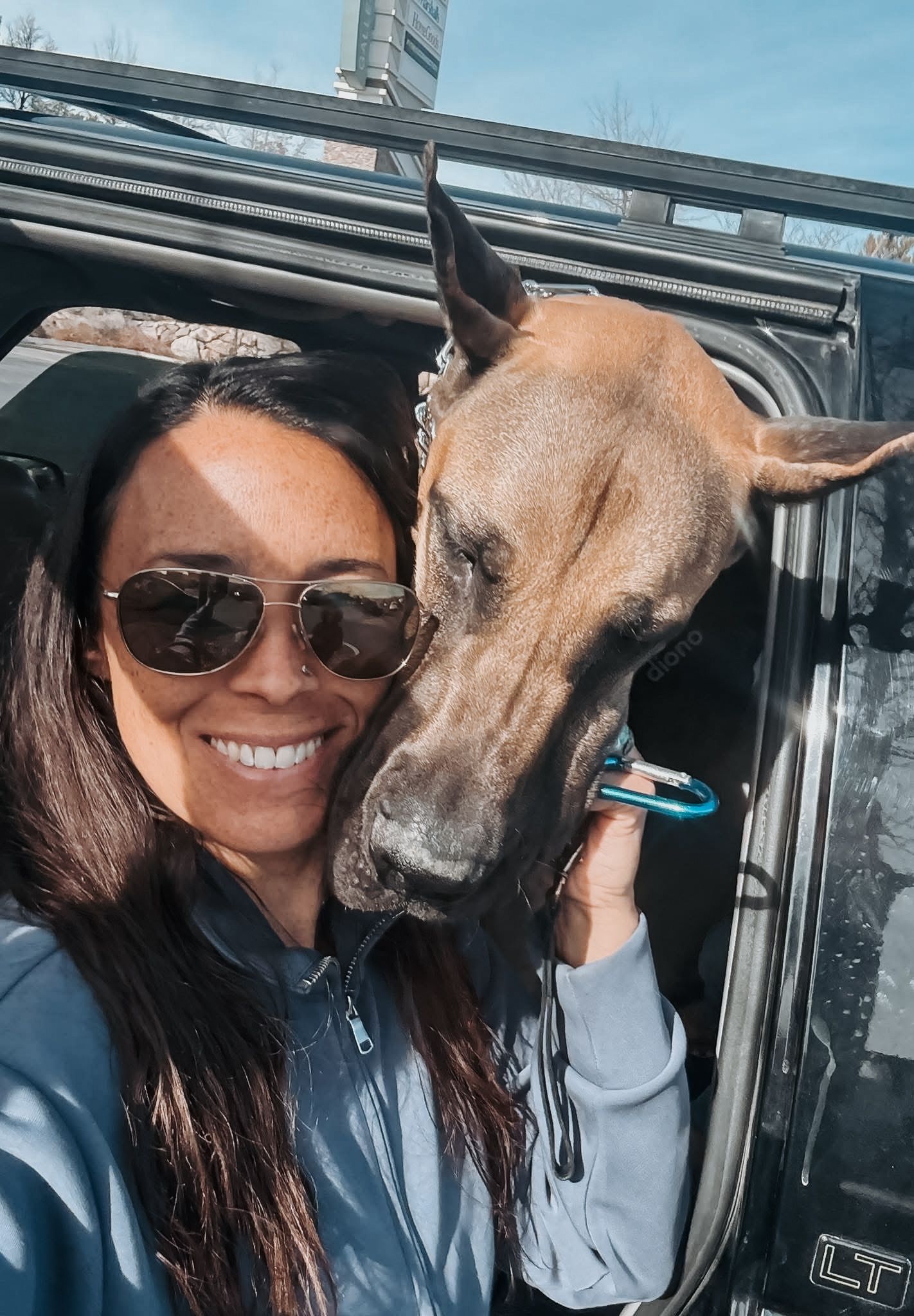
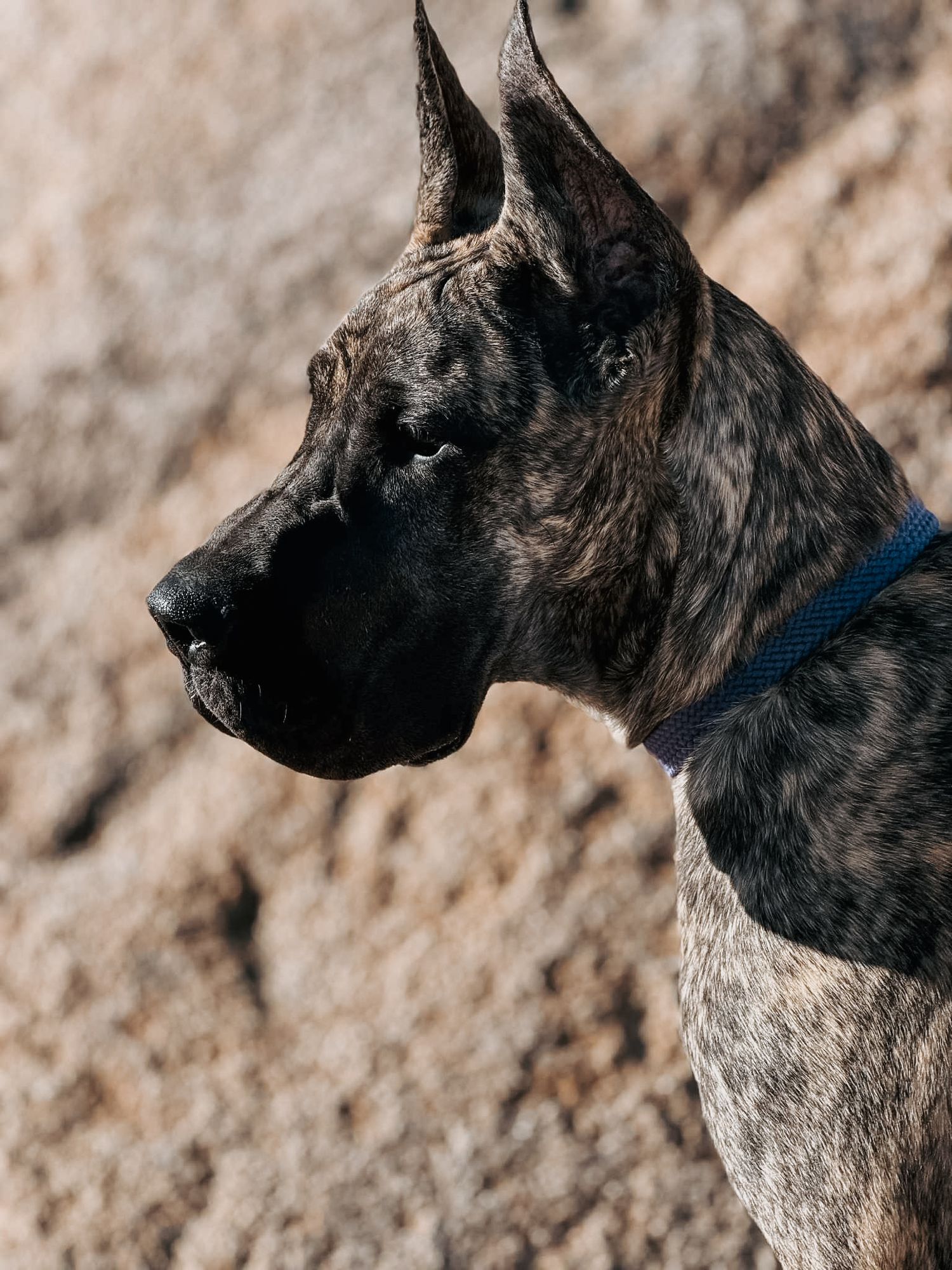
Great Danes are known as “gentle giants” for a reason. Despite their massive size, they are typically affectionate, loyal, and great family companions. Originally bred in Germany for hunting large game, today they are beloved for their calm temperament and protective nature.
Growth & Development
Great Danes grow incredibly fast, especially during their first 12–18 months. Proper management during this stage is critical to avoid long-term health issues.
Growth Stages
0–8 weeks: Rapid early development (with breeder)
8 weeks–6 months: Explosive growth phase
6–18 months: Continued growth; bones still developing
18–24 months: Full maturity (sometimes longer)
Key Growth Tips
Avoid overfeeding to prevent excessive growth
Limit high-impact exercise while joints are developing
Use large-breed puppy food specifically formulated for controlled growth
Regular vet checkups to monitor development
Nutrition
Proper nutrition is one of the most important aspects of raising a healthy Great Dane.
Puppy Nutrition
Feed Giant-breed puppy formula (NOT regular puppy food) or adult formula
Look for controlled calcium and phosphorus levels
Feed 2–3 meals per day (not free feeding)
Adult Nutrition
High-quality adult dog food
Balanced protein (around 20–25%)
1-1 ratio of cal + pros
Moderate fat levels to maintain healthy weight
Feeding Tips
Avoid intense activity 1 hour before and after meals
Always provide fresh water
Bloat (GDV) – IMPORTANT
Bloat, or Gastric Dilatation-Volvulus (GDV), is the #1 life-threatening condition in Great Danes. Every owner MUST understand this.
What Is Bloat?
Bloat occurs when the stomach fills with gas and can twist, cutting off blood supply. This can become fatal within hours.
Signs of Bloat
Distended (bloated) abdomen
Retching without vomiting
Restlessness or pacing
Excessive drooling
Rapid breathing
Prevention Tips
Feed multiple smaller meals instead of one large meal
Avoid exercise before/after eating
Reduce stress during feeding
Consider a gastropexy surgery (stomach tacking), especially for high-risk dogs
Emergency Action
If you suspect bloat:
GO TO AN EMERGENCY VET IMMEDIATELY. Do not wait.
Exercise Needs
Despite their size, Great Danes are not extremely high-energy dogs.
Recommended Activity
Daily walks (20–40 minutes)
Light play sessions
Avoid excessive running during growth phase
Important Notes
Puppies should NOT do forced running or jumping
Joint protection is critical to prevent hip and elbow issues
Health Considerations
Great Danes are prone to several breed-specific health conditions:
Hip dysplasia
Elbow dysplasia
Heart disease (Dilated Cardiomyopathy)
Bloat (GDV)
Arthritis
Preventative Care
Regular vet visits
Maintain healthy weight
Joint supplements (as recommended)
Genetic testing from reputable breeders
OFA testing from breeders are important
Training & Socialization
Great Danes are intelligent but can be stubborn.
Training Tips
Start early (puppy stage)
Use positive reinforcement
Be consistent and patient
Socialization
Expose to different people, dogs, and environments early
Prevent fear-based behaviors in adulthood
Is a Great Dane Right for You?
Great Danes are incredible companions, but they are not for everyone.
Pros
Loyal and affectionate
Great with families
Protective but gentle
Cons
Short lifespan
Expensive (food, vet care)
Large space requirements
Health risks like bloat
Owning a Great Dane is a rewarding experience, but it comes with responsibility. Proper nutrition, growth management, and awareness of serious conditions like bloat can make all the difference in giving your dog a long, healthy, and happy life.
If you're prepared for the commitment, a Great Dane will give you unmatched loyalty and love.